House Remodeling Contractor: Experienced Renovation Services
How to Choose the Right Remodeling Contractor: Essential Questions to Ask
Choosing the right home improvement contractor is vital for the success of any home renovation project. Most homeowners overlook the significance of asking the correct questions. Price is not the sole consideration; experience, communication, and reliability play significant roles. Being aware of these considerations can help guarantee a seamless process. Still, knowing what to ask can be difficult. Which aspects should be focused on when evaluating potential contractors? The following are essential points to assist with the evaluation process.
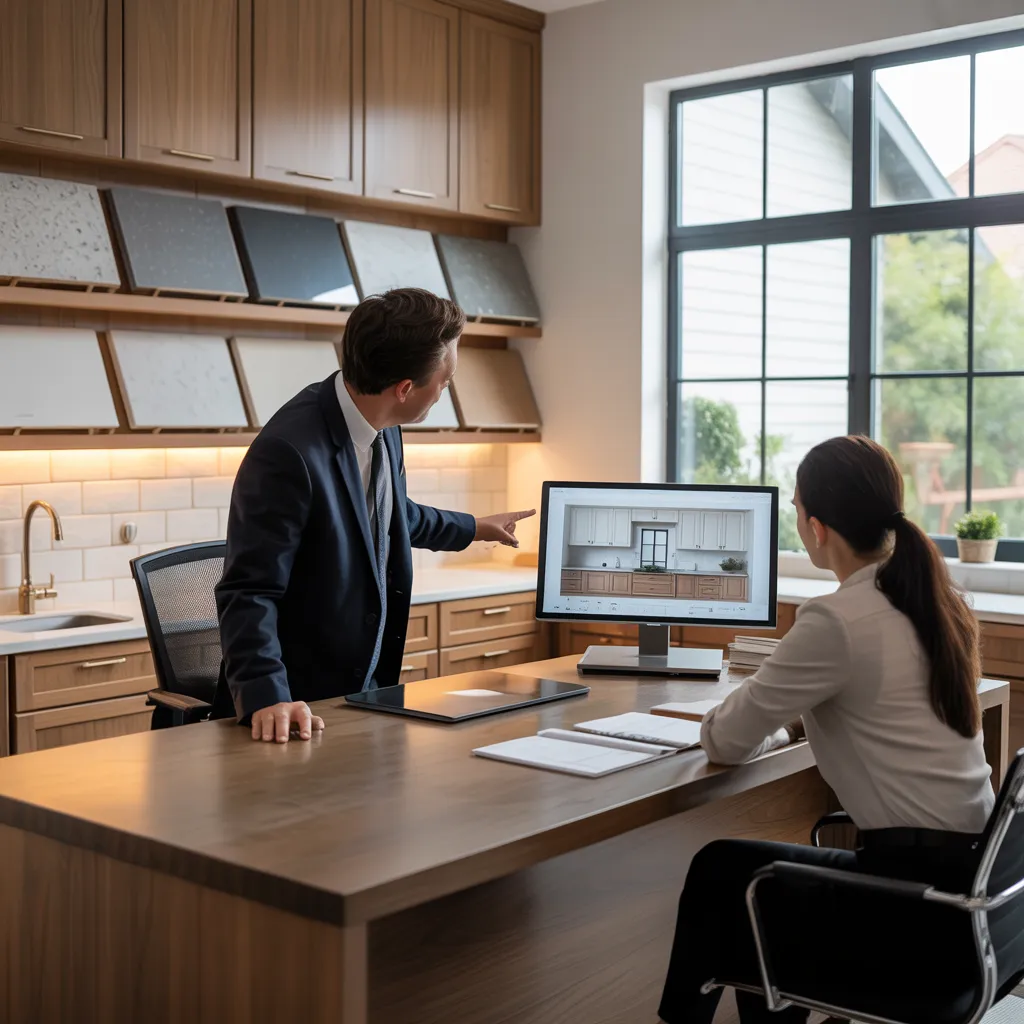
Why Choosing the Right Remodeling Contractor Matters
Selecting the ideal renovation contractor is crucial, as the result of a home improvement project can substantially impact both the function and visual appeal of a home. A talented contractor guarantees that projects are carried out effectively, respecting deadlines and financial plans. Their proficiency can enhance the overall quality of work, creating a living area that meets the homeowner's vision and needs.
Additionally, a skilled contractor fosters clear communication, handling concerns and delivering updates throughout the construction process. This transparency builds trust and allows for adjustments as necessary. Additionally, selecting the right contractor lowers the probability of arising difficulties, such as design flaws or structural problems, which can result from inadequate expertise. Ultimately, the selection of contractor can influence not only the direct fulfillment from the improvement but also the prolonged satisfaction and worth of the dwelling, underscoring the significance of a well-informed choice.
What Certifications Should Your Remodeling Contractor Hold?
A well-qualified remodeling contractor should possess a number of credentials that reflect their knowledge and trustworthiness. Key certifications include state licenses, which verify compliance with local regulations and building codes. Furthermore, industry certifications from organizations such as the National Association of the Remodeling Industry (NARI) or the National Kitchen & Bath Association (NKBA) indicate focused expertise and dedication to professional guidelines.
Adequate insurance coverage, particularly workers' compensation and liability, is essential, providing protection for both the contractor and the homeowner from potential financial liability. Additionally, a strong collection of past project examples can offer valuable information about the contractor's capabilities and artistic vision.
Participation in professional organizations demonstrates a commitment to the profession and continuous education. Additionally, consumer assurance credentials, such as a Better Business Bureau (BBB) accreditation, can add an extra layer of assurance regarding the contractor's honesty and business practices. Collectively, these qualifications confirm that residents engage a skilled and dependable specialist.
How to Verify Contractor References and Reviews
When hiring a renovation contractor, checking references and reviews is crucial for guaranteeing quality results. Prospective clients should explore online platforms for feedback and ratings, as well as reach out directly to past clients to gain firsthand insights. This process can greatly inform decisions and highlight potential red flags.
Review Online Platforms
How can potential clients guarantee a remodeling contractor's credibility? One effective approach is to check various online platforms dedicated to contractor reviews. Platforms such as Yelp, Angie's List, and Houzz provide a rich source of information, including client ratings and in-depth feedback. Clients should look for patterns in reviews, noting both positive and negative experiences. A contractor boasting steady high ratings and positive commentary is typically a dependable selection. Furthermore, social media channels can offer valuable glimpses into a contractor's latest projects and customer engagements. Joining online discussion boards or local community groups may also produce worthwhile suggestions. By utilizing these valuable resources, clients are empowered to make educated choices, guaranteeing a credible and capable remodeling contractor for their undertakings.
Connect with Former Clients
How can clients ensure a remodeling contractor's reliability? A practical method involves reaching out to former clients for direct feedback. Clients should request a list of references and speak directly to previous customers about their experiences. Key questions might include inquiries about the project's timeline, budget adherence, and the contractor's communication style. Clients should also inquire whether previous customers would work with the contractor once more. Clients should also explore reviews on third-party websites to ensure a well-rounded assessment. Through collecting varied opinions, clients are better positioned to evaluate the contractor's dependability and workmanship. Such a detailed screening process can considerably minimize the likelihood of unsatisfactory outcomes in remodeling projects.
A Guide to the Standard Remodeling Project Timeline
Understanding the general project timeline for remodeling is crucial for those who own homes to set realistic expectations. This overview will outline the key stages involved, point out delays that commonly occur, and explain the final walkthrough process. By grasping these elements, individuals planning a remodel can confidently handle every stage of their home improvement project.
Project Phase Breakdown
A conventional remodeling project develops across multiple important stages, all of which are critical to ensuring a successful outcome. The opening phase focuses on planning and design, where clients partner with their contractors to establish the scope, budget, and timeline. After the plans have been completed, the subsequent step requires acquiring the necessary permits and approvals, which are subject to change based on regional requirements.
Subsequently, the building phase commences, marked by demolition, structural work, and incorporation of new components. This stage often requires continuous dialogue between the contractor and the homeowner to resolve any changes or questions. Finally, the project concludes with a comprehensive review and walkthrough to verify that everything satisfies the predetermined expectations. Each phase plays a critical role in the complete success of the remodeling effort.
Frequent Timeline Delays
Timely completion of a remodeling project may be considerably influenced by a range of delays, which often arise during different stages of the process. Common causes include permitting issues, in which municipal requirements may extend the time needed for approvals. Material availability also plays a critical role; postponements in supply orders can slow momentum. Unanticipated construction defects, such as undiscovered water damage, may demand more time for remediation. Environmental conditions may also disturb planning, most notably in outdoor undertakings. Additionally, labor shortages may lead to delays in securing skilled workers. Open correspondence between the remodeler and the client is fundamental, as misunderstandings regarding project scope can also contribute to extended timelines. Understanding read this article these potential delays can help homeowners set realistic expectations for their remodeling projects.
Comprehensive Walkthrough Process
How does the final walkthrough signify the culmination of a remodeling project? This critical phase gives homeowners the opportunity to review the finished work, confirming it fulfills their expectations and corresponds with the original plans. Throughout the walkthrough, the contractor and homeowner go over every aspect, from surface finishes to operational functionality. This is the opportunity to identify any discrepancies or issues that need addressing before final payment. Homeowners should come prepared with a checklist and any documentation related to the project. A successful final walkthrough not only confirms satisfaction but also solidifies the relationship between the contractor and homeowner. Proper communication and transparency during this phase can prevent misunderstandings, paving the way for future collaborations or recommendations.
Understanding Your Budgeting and Payment Options
Smart budgeting is vital for those beginning a renovation project, as it sets the foundation for monetary planning and strategic choices. Homeowners ought to start by establishing a reasonable budget that encompasses all potential costs, including supplies, workforce expenses, and unplanned costs. It is advisable to allocate an additional ten to twenty percent for contingencies to cover unforeseen issues that may arise during the renovation.
When reviewing payment arrangements with contractors, homeowners should ask about payment timelines, which can differ significantly. Some contractors may require a initial payment upfront, with the remaining amount due upon project milestones or completion. Being familiar with these conditions helps home improvement clients to plan their budget effectively.
In addition, homeowners can consider financial solutions, including home equity loans or personal loans, to assist with covering expenses. Open and transparent communication about budgeting and payment options with the chosen contractor helps ensure that budgetary expectations are in agreement, reducing the likelihood of disputes later in the process.
How Do They Keep You Informed?
Open dialogue about budgeting and payment arrangements sets the stage for continuous updates during the remodeling process. A professional contractor should create an organized method for maintaining client communication. This could encompass routine meetings to evaluate progress, either in person or via video calls. Written reports may also be provided, outlining completed work and forthcoming tasks.
In addition, utilizing technology has become increasingly prevalent. Builders could utilize project management software that lets clients oversee deadlines and benchmarks on a live basis. This level of visibility cultivates trust and ensures that clients remain engaged during the entire project.
Furthermore, swift updates about all changes—whether involving timelines, materials, or unexpected issues—remain essential. In addressing these critical components, a remodeling contractor shows their commitment to professional service and client satisfaction, assuring a well-informed and cooperative renovation process.
What Warranties and Guarantees Are Available to You?
What types of warranties and guarantees can homeowners expect when working with a remodeling contractor? In most cases, contractors present two key types: labor warranties and material warranties. Workmanship warranties cover the quality of the contractor's labor, usually spanning one to ten years according to the company and the scope of the project. These warranties assure homeowners that any defects resulting from poor installation will be addressed without additional costs.
Product guarantees, by comparison, concern the products utilized during the remodel. Manufacturers usually provide these warranties, covering periods ranging from a few years to a lifetime, based on the type of product. Homeowners should inquire about the precise conditions of each warranty, including what is covered, the time period, and any circumstances that could invalidate them. Being informed about these warranties can assist homeowners in making well-informed choices and secure their investment throughout the remodeling project.
Frequently Asked Questions
How Does the Contractor Prefer to Communicate Throughout the Project?
The contractor preferred regular updates via email, supplemented by regular weekly conversations for in-depth discussions. They prioritized clear communication, ensuring all project stakeholders remained informed and engaged across the full scope of the remodeling project, cultivating a team-oriented environment.
How Do They Handle Unexpected Challenges or Changes?
They usually analyze the conditions, coordinate with the property owner, and recommend remedies. Effective contractors maintain flexibility, ensuring that adjustments align with project goals while limiting disturbances, thus cultivating a cooperative atmosphere during unexpected challenges.
Can You Provide a Detailed Written Estimate?
A thorough written estimate should itemize all associated project costs, covering materials, labor, and timelines. Such transparency enables clients to comprehend costs and eliminates potential misunderstandings, ensuring both parties are aligned before the remodeling begins.
What Safety Practices Do They Enforce On-Site?
The contractor enforces several safety measures at the worksite, including personal protective equipment for workers, safety signs, scheduled equipment inspections, and compliance with local regulations, ensuring a secure environment that minimizes risks for all workers and homeowners.
How Do They Guarantee Adherence to Local Building Codes?
They guarantee compliance with regional construction regulations by keeping current with regulatory changes, acquiring the required permits, and performing routine inspections throughout the project. This proactive approach mitigates risks and guarantees conformity with safety and legal standards.